| Study | Design & population | Finding & comparison |
|---|---|---|
| 2023 · Pilch W ↗ | trained-versus-untrained repeated-exposure experiment healthy men Participants: 20. Finnish sauna · ten baths | Some immune and hormonal responses differed by training status and exposure timing. Comparison: trained versus untrained; first versus last bath Biomarkers only; no infection endpoint; small male groups. |
| 2017 · Zychowska M ↗ | Acute comparative physiology study Athletes and non-athletes Participants: 18. Finnish sauna | Leukocyte messenger-RNA responses differed between the groups, with higher expression of the tested genes reported in non-athletes after the heat challenge. Comparison: Athletes versus non-athletes before and after the same heat exposure Very small groups. |
| 2026 · Heinonen IHA ↗ | acute before-after experimental study Adult sample; health status not fully specified Participants: 51. Finnish sauna · Immediate and 30-minute recovery samples | Immune-cell counts changed more broadly than cytokines after heat exposure; these acute laboratory shifts do not show fewer infections. Comparison: Own pre-exposure blood sample No randomized comparator described |
Original publication: The effects of a single and a series of Finnish sauna sessions on the immune response and HSP-70 levels in trained and untrained men.
Did the study establish better resistance to infection?
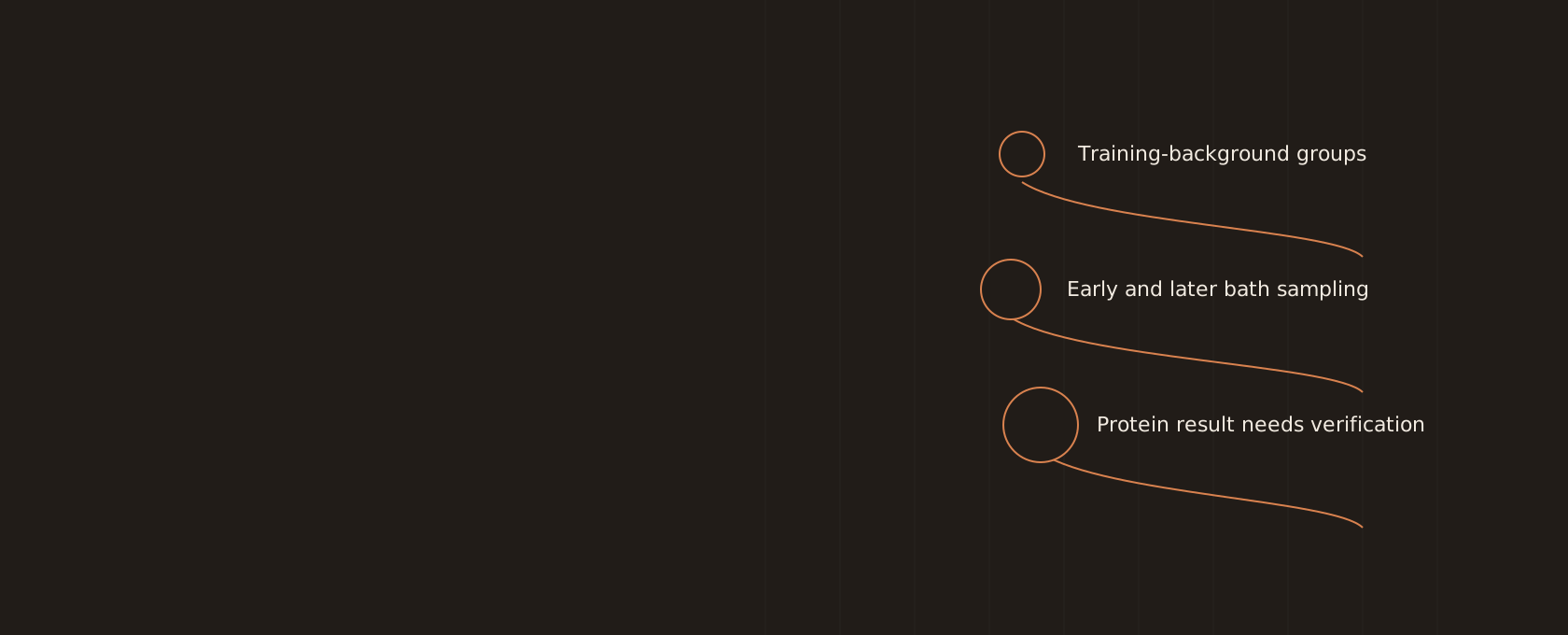
It did not measure an infection-prevention outcome. The researchers investigated immune-status parameters and related physiological responses around sauna exposure in trained and untrained men. The reported laboratory observations should remain distinct from whether participants became ill less often.
The abstract begins with a hypothesis about improving immune function through repeated heating. A study hypothesis and the endpoints actually measured are different things. Even a favorable conclusion about the immune response does not establish the clinical result when no infection endpoint was assessed. This paper is useful for describing group- and timing-specific measurements, not for turning the authors’ proposed interpretation into an established benefit against illness. A careful reader should first identify the tests and comparisons, then ask which broader claims would require another design.
Were participants assigned to a training background?
The study divided healthy young men into trained and untrained groups. Existing training status is a participant characteristic, not an intervention randomly assigned across a person’s prior life. The comparison can reveal differing patterns without showing that training alone caused those differences.
This matters because the groups may vary in other characteristics relevant to a physiological response. The study does not identify an isolated causal contribution of training simply by naming the groups. It also does not describe a separate group completing the observation period without sauna. Within-person and between-training-group comparisons therefore need their own interpretation. The source can contribute to a hypothesis about whether participant background matters, while leaving both the sauna contribution and the reason for a group difference less certain than in a design that directly isolates those questions.
The experiment enrolled twenty healthy men in small training-status groups. That selection limits both precision and the range of people directly represented, even when a laboratory contrast is statistically detectable.
What did comparing an early and later bath contribute?
Blood was sampled around an initial bath and a later bath in the series. This allows acute observations at more than one stage of repeated exposure. It does not automatically establish that every difference is a lasting adaptation present during ordinary life between visits.
The sampling window remains important. An after-bath result, a pre-bath result and a difference between groups are not interchangeable outcomes. A full appraisal would inspect how each was analyzed and whether the comparison addresses the claim being made. The abstract reports a complex pattern rather than a single universal response. This page therefore does not convert the repeated series into an optimized schedule or infer that continuing exposure necessarily improves every measurement. The tested sequence describes what researchers investigated, not a dose-ranging experiment establishing the best public routine.
Which immune and protein measurements were included?
The source describes circulating cell populations, immunoglobulins, cytokines and serum HSP70 among its measurements. These categories represent different biological observations. A cell count, a circulating protein assay and a molecular gene-expression assessment would not answer the same question merely because all involve responses to heat.
The report found some responses differing by group or measurement occasion, alongside outcomes without the same pattern of group differences. That mixed account should not be summarized as uniform improvement across the immune system. It also should not become a complete negative result simply because one variable is unchanged. The purpose of an evidence summary is to retain the named endpoint and contrast. The abstract’s compressed reporting leaves some details for the full paper, rather than giving permission to fill them with a more consistent story.
Was a directional HSP70 increase clearly reported?
The abstract says serum HSP70 was measured, but its results do not give a clear directional HSP70 finding that can support a general increase claim. A measurement listed in the methods is not automatically a positive result. This distinction is especially important because HSP70 appears in the title.
This page therefore does not supply a percentage increase, a protein target or a conclusion about how much repeated sauna raises HSP70. Those would require a verified result rather than inference from the presence of an assay. The missing detail should be checked in the full text before a more specific statement is made. Treating an unreported direction as established would manufacture evidence, even if a biologically plausible response seems likely or another study reports a different molecular endpoint.
How do gene-expression and acute cell studies relate?
An athlete-versus-non-athlete experiment measured leukocyte messenger RNA for selected stress-related genes. That is not the same as measuring serum HSP70 protein concentration. Its group differences cannot be imported to fill the missing directional protein result in the present abstract.
A newer acute study found broader changes in circulating cells than cytokines and differing recovery patterns. It also did not establish fewer infections. These sources help identify the stages of evidence that need to remain separate: a gene-related response, a protein assay, a circulating cell pattern and a clinical outcome. They can inform the same mechanistic discussion without becoming interchangeable demonstrations. The repeated-exposure paper contributes its own timing and participant-background question, while the other studies should remain contextual comparisons rather than substitutes for unreported results.
What is the appropriate grade and review boundary?
The grade is C for small-group physiological evidence with no direct infection endpoint. Training status and measurement timing help explain the research question, but they do not establish a clinical immune benefit or a universally effective exposure series. The HSP70 direction remains unestablished from the indexed abstract.
This appraisal reviewed that abstract and refreshed bibliographic information. It did not complete a full-text risk-of-bias assessment, resolve every assay or analysis detail, or examine all funding and competing-interest disclosures. Those financial details remain unreported rather than assumed absent. Personal safety is also separate from a laboratory response. Discuss relevant conditions or medications with a qualified clinician; the historical safety source provides context but does not turn a young healthy male experiment into an individual eligibility checklist.
Explore the evidence with a tool.
Questions, considered
Questions about this study
Did the trained-versus-untrained sauna study count fewer infections?
No. It measured immune-cell populations, immunoglobulins, cytokines and related physiological responses. Those laboratory outcomes are different from whether participants developed fewer infections. Even if selected markers change after repeated heat exposure, the study cannot directly establish improved resistance to colds or other infectious illnesses.
Follow the sourceDid training status matter in the Finnish sauna immune study?
The responses of some measured cell populations and other markers differed between trained and untrained men. This means a single summary of an immune response can conceal important variation. The findings concern small groups of healthy young men rather than a universal effect across all sauna users.
Follow the sourceDoes the immune-marker study establish an ideal sauna frequency?
No. Its repeated-bath design describes what researchers tested, not an optimization comparison of different weekly schedules. The study did not establish a frequency that minimizes illness or maximizes clinical benefit. Exposure details should therefore remain attached to the laboratory findings instead of becoming a personal immune-health prescription.
Follow the sourceFollow the evidence
Sources & references
Research summaries in this edition are based on indexed abstracts unless otherwise noted. A source link is not a claim of medical review.
- The effects of a single and a series of Finnish sauna sessions on the immune response and HSP-70 levels in trained and untrained men.
Pilch W, Szarek M, Olga CL, Anna P, Żychowska M, Ewa SK, Andraščíková Š, Pałka T
Volume 40, issue 1, pages 2179672 · PMID 36813265
Open-access flag: not recorded.Abstract-level editorial review - Effects of sauna bathing on stress-related genes expression in athletes and non-athletes.
Zychowska M, Półrola P, Chruściński G, Zielińska J, Góral-Półrola J
Volume 24, issue 1, pages 104-107 · PMID 28378983
Open-access flag: not recorded.Abstract-level editorial review - Acute Finnish sauna heat exposure induces stronger immune cell than cytokine responses.
Heinonen IHA, Koivula T, Hollmén M, Immonen J, Kunutsor SK, Jalkanen S, Laukkanen JA
Volume 13, issue 2, pages 186-199 · PMID 42282896
Open-access flag: yes.Abstract-level editorial review - Benefits and risks of sauna bathing.
Hannuksela ML, Ellahham S
Volume 110, issue 2, pages 118-126 · PMID 11165553
Open-access flag: not recorded.Abstract-level editorial review